
The Hidden Cost of Waiting Too Long to Secure UW Madison Housing
Waiting feels harmless at first. Sensible, even. You tell yourself there’s plenty of time, that you’ll look into it after exams, after break, after things settle down. Housing can wait.
And for a while, that’s true. Until it isn’t.
When it comes to UW Madison housing, the real cost of waiting often isn’t obvious right away. It doesn’t show up as a single problem. It shows up slowly, in small compromises that start stacking on top of each other.
The Illusion of “More Time”
January and early February can feel deceptively calm. Leasing conversations are happening, but quietly. Friends mention they’re “thinking about it.” Nobody seems rushed yet.
That calm can be misleading.
Behind the scenes, availability is already shifting. Floor plans start disappearing. Preferred locations go first. The choices don’t vanish overnight, but they narrow—subtly, steadily.
By the time urgency sets in, the best options often aren’t on the table anymore.
Choice Shrinks Before Price Changes
Most people assume the biggest risk of waiting is cost. Sometimes that’s true. But more often, the first thing you lose isn’t money—it’s choice.
You stop choosing based on what fits your lifestyle and start choosing based on what’s left. Layouts that felt flexible become non-negotiable. Location becomes a compromise. Little preferences—natural light, quiet corners, usable common space—get pushed aside.
And that’s where the hidden cost starts to take shape. Not in dollars, but in daily experience.
Stress Has a Way of Sneaking In
There’s also the mental weight of waiting. At first, it’s easy to ignore. Then suddenly, it’s March, and conversations around you feel more decisive. People have plans. Addresses. Move-in dates.
If you’re still undecided, the pressure creeps in. Searching becomes reactive instead of thoughtful. Tours feel rushed. Decisions feel heavier because there’s less room to change your mind.
What could have been a calm, intentional choice turns into a problem you just want to solve.
Why Early Planning Feels Different
Securing housing earlier doesn’t mean rushing. It means giving yourself space.
Space to compare options. To walk through layouts without pressure. To ask, honestly, what you want your next year to feel like. That’s especially important with UW Madison housing, where timing and location play such a big role in daily life.
At Theory Madison, that planning window allows students to focus on fit—how the space supports studying, downtime, routines, and independence—rather than scrambling for availability.
The Long-Term Impact of Small Compromises
It’s easy to downplay compromises when you’re under time pressure. A smaller kitchen feels manageable. A louder location seems tolerable. A layout that doesn’t quite work gets brushed off.
But over a full academic year, those details matter. They shape how you rest, how you study, and how comfortable you feel in your own space.
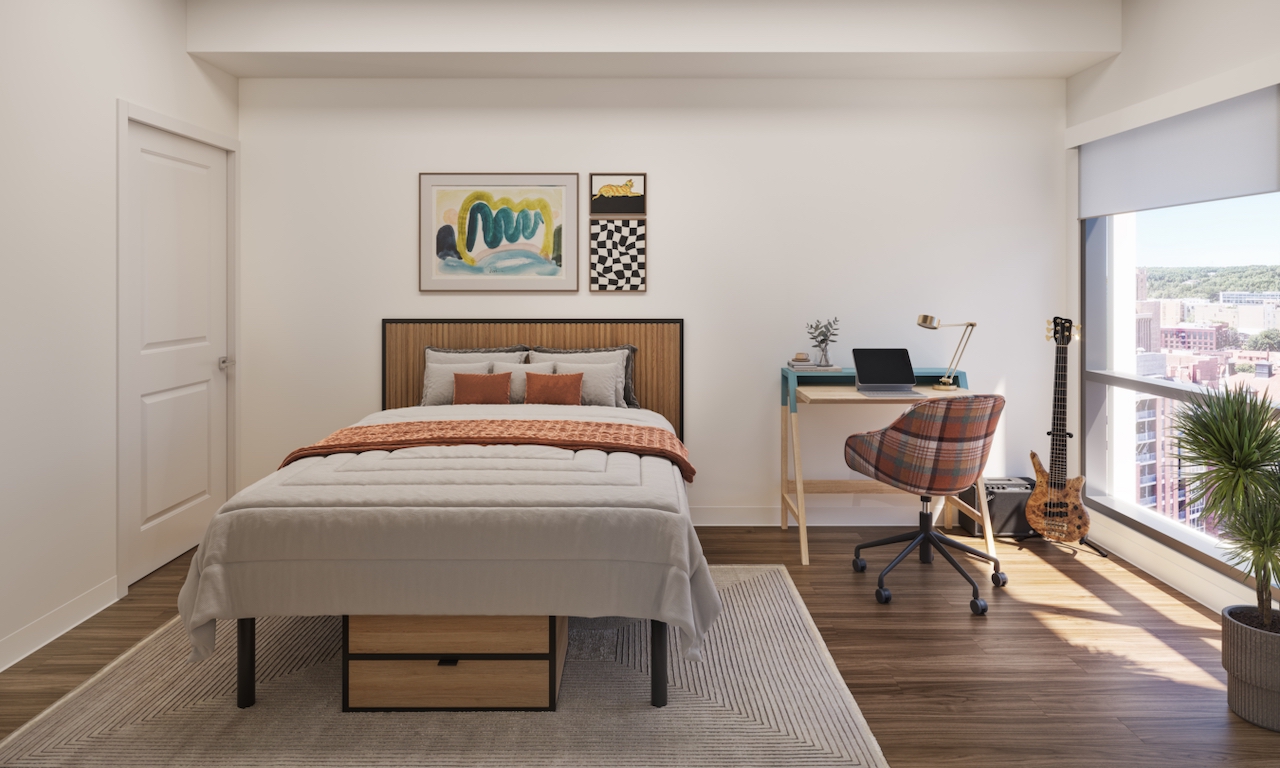
Thoughtfully designed communities like Theory Madison aim to remove those friction points—private bedrooms, functional layouts, shared spaces that support focus and connection. Those benefits are easiest to secure when you’re choosing early, not settling late.
Waiting Isn’t Wrong—But It Isn’t Neutral
To be clear, waiting doesn’t always lead to a bad outcome. Some students make it work just fine. But waiting isn’t neutral. It quietly limits options, increases stress, and narrows flexibility.
The hidden cost of waiting too long isn’t dramatic. It’s subtle. It’s the feeling of “this will do” instead of “this fits.”
UW Madison housing decisions don’t need to be rushed—but they do benefit from intention. And sometimes, the smartest move is simply starting before you feel like you have to.
Because once the pressure sets in, the choices look very different.